
Shipping Warmer Best Practices (UniHeat® & Similar Warmers)
Shipping warmer best practices are essential for keeping reptiles, plants, and other temperature-sensitive shipments safe during cold weather. This guide applies to UniHeat® and similar air-activated warmers and covers activation, placement, testing, airflow, and temperature ranges for reliable winter shipping.
Benefits of Using Shipping Warmers Safely
Shipping warmers help maintain stable temperatures during transit, making them especially useful for:
-
Live reptile and amphibian shipping
-
Temperature-sensitive tropical and temperate plants
-
Perishable goods that cannot freeze
Correct use, storage, and placement significantly improve performance.
How to Use Shipping Warmers: Key Best Practices
1. Activate the warmer correctly
-
Open the pack.
-
Wrap it in a towel for about 2 hours at room temperature.
-
Multiple warmers can be wrapped together.
-
After 2 hours, unwrap and confirm the warmer is heating.
-
It will continue to warm gradually over time.
Note: Always follow the printed UniHeat® instructions in addition to these guidelines.
2. Prepare the insulated shipping box
-
Use a properly sized insulated box with padding on all sides.
-
Loosely wrap the warmer in kraft paper or blank newsprint.
-
UniHeat® warmers have a red stripe marking the breather side.
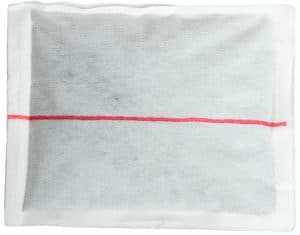
3. Position the warmer for correct airflow
-
Place the warmer with the breather side facing the open inner space of the box.
-
Do not press the red-line side of the warmer against the wall or bottom of the box — it must face open space so it can breathe.
-
Always allow some air space for proper function.
Testing Your Setup With Shipping Warmer Best Practices
Before shipping animals or plants, run a few simple tests:
-
Do trial runs using non-critical items.
-
Place thermometers or data loggers inside the package.
-
Review weather forecasts along the entire shipping route.
-
Increase insulation or warmer duration for extreme cold.
Recommended internal temperature ranges
-
Reptiles: Usually safe between 60–90°F
-
Plants: Typically tolerate 50–75°F
Adjust packing based on your test results to avoid hot spots or cold failure.
Weather Resources
For route weather planning, check the National Weather Service:
Live Animal Shipping With Safe Shipping Warmer Use
When shipping live animals:
-
Use an insulated box no smaller than 12 × 9 × 6 inches.
-
Keep packing material between the warmer and the animal container.
-
Do not place any warmer in direct contact with the animal bag or deli cup.
-
Maintain airflow without causing drafts.
Follow your carrier’s specific live-animal guidelines.
Storage and Post-Use Handling
-
Store unopened warmers at 40–70°F, away from heat and sunlight.
-
Never store warmers in greenhouses, hot rooms, or vehicles.
-
Allow used warmers to fully cool before disposal.
-
Recycle wrapper materials where accepted.
Seasonal Adjustments for Winter Shipping
Winter shipping may require:
-
Longer-duration warmers (48–72 hr)
-
Increased insulation
-
Additional warmers for extreme cold (after testing)
Always rely on shipping warmer best practices, real-world testing, and current weather conditions.
Testing Suspected Bad Warmers (UniHeat®)
If a UniHeat® warmer seems inactive:
-
Open a new pack.
-
Wrap in a towel at 72–78°F for 2 hours.
-
Unwrap and check for warmth.
-
Note: Warm-up rates vary by duration model.
If still not working, email:
-
Photo of warmer (showing red stripe)
-
Photo of wrapper (showing best-by date)
-
Order number
Send to info@phazelock.com and we’ll test a sample from the same lot or help troubleshoot.
Why Following Shipping Warmer Best Practices Matters
Proper activation, airflow, insulation, and testing dramatically increase the success rate of cold-weather shipments. Using these shipping warmer best practices helps ensure safe, stable temperatures for reptiles, plants, and other sensitive contents.